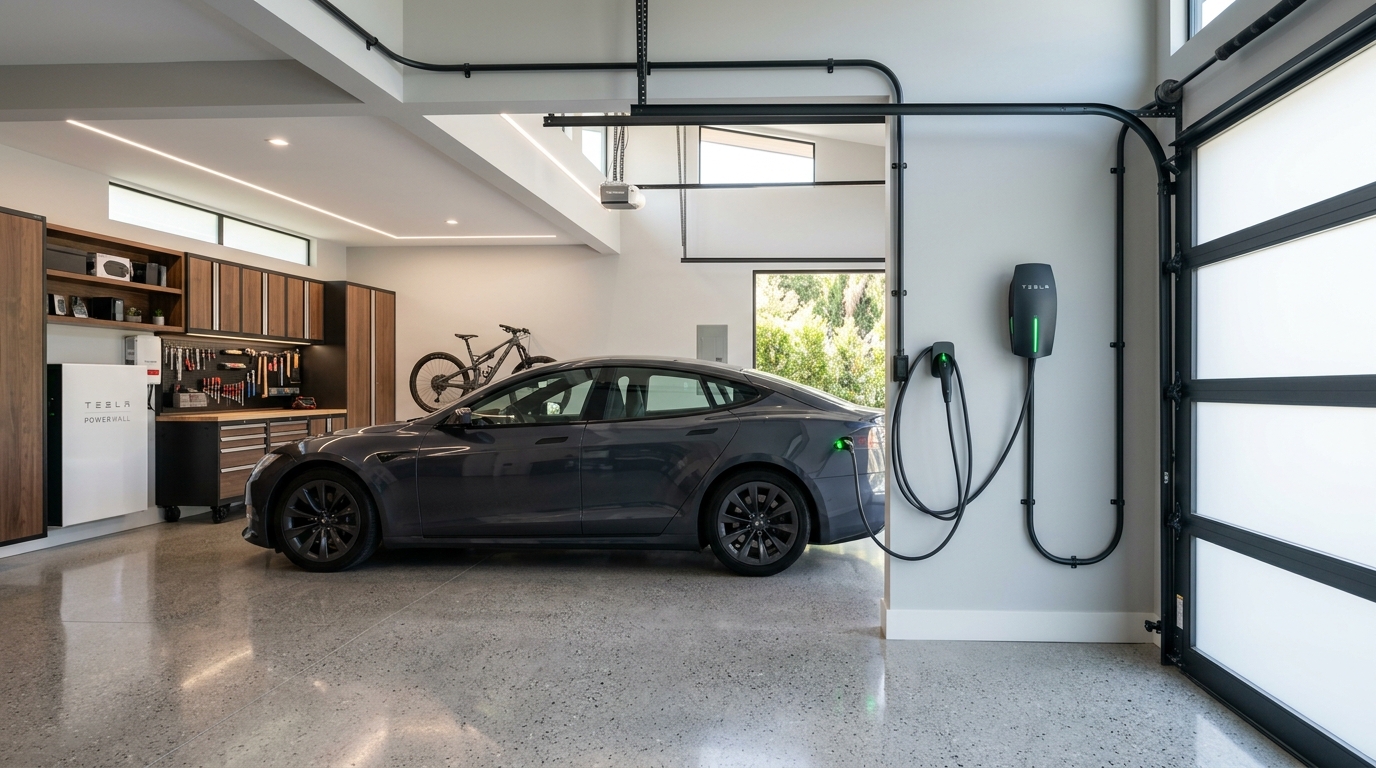
Executive Summary & Key Takeaways
- Off-peak overnight charging (midnight to 3:00 PM) maximizes efficiency compared to peak evening hours.
- Peak utility electricity rates occur between 4:00 PM and 9:00 PM every day.
- Smart chargers can be programmed to automatically draw power only during designated off-peak windows.
- Pairing off-peak charging with solar production delivers the lowest overall operating energy footprint.
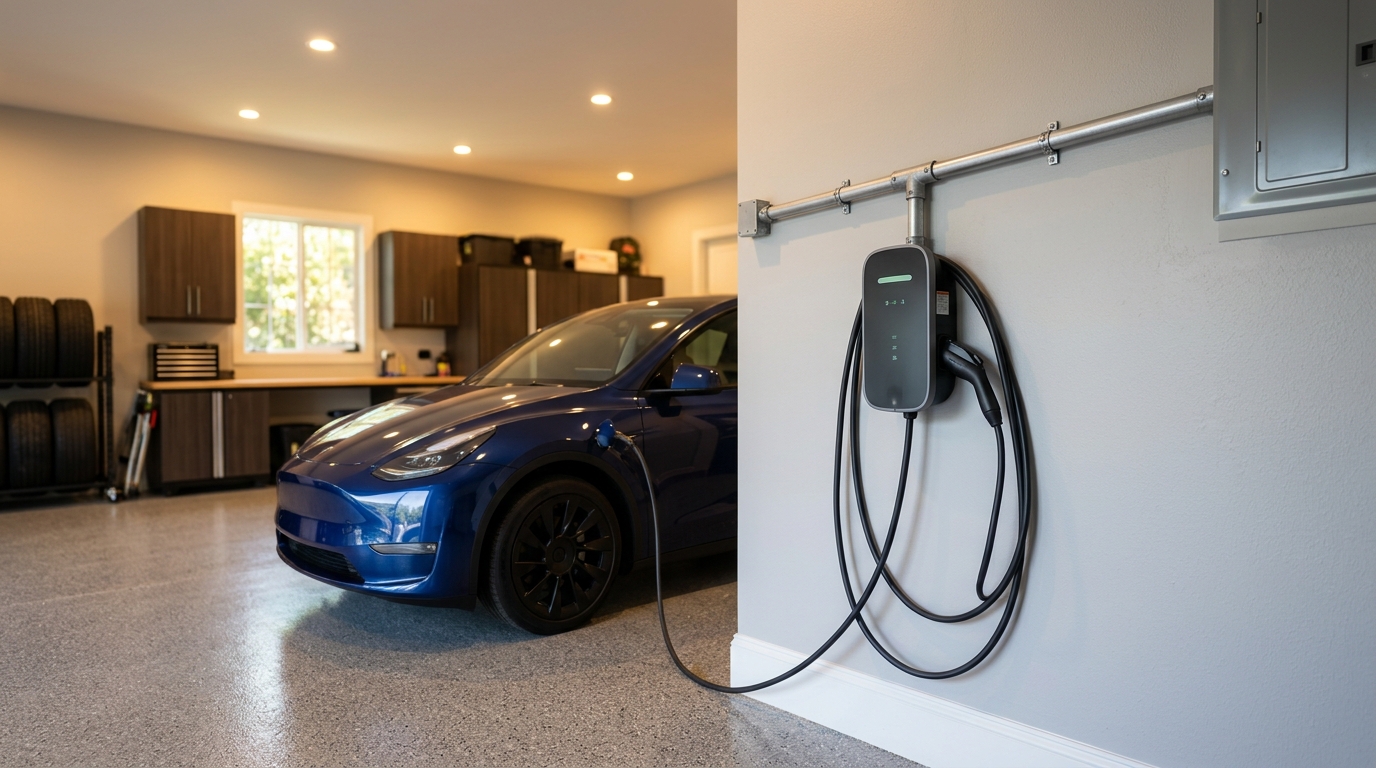
Operating an electric vehicle in Silicon Valley requires uninterrupted charging reliability. When your home charging station fails to deliver full power, your entire daily schedule is disrupted. In this comprehensive technical guide, our C-10 licensed electrical contractors examine pg&e ev2-a rate plan in los gatos: how to optimize your home charging schedule, detailing the underlying electrical engineering principles, code requirements, and practical solutions for Los Gatos homeowners and businesses.
The Engineering Foundation: High-Amperage Continuous Loads Under National Electrical Code (NEC Article 625), electric vehicle charging is classified as a continuous duty load. This means that unlike standard household appliances that run intermittently—such as a microwave oven, coffee maker, or vacuum cleaner—an EV charging station operates at maximum capacity for 6 to 10 hours uninterrupted every night.
This designation imposes strict electrical safety mandates. A circuit breaker, branch conductors, and electrical terminal lugs must be sized at 125% of the vehicle continuous draw. For instance, a vehicle charging at 48 amps requires a dedicated 60-amp double-pole circuit breaker and heavy-duty copper wire rated for 90°C thermal conditions. When older wiring or undersized components are used, sustained heat accumulates inside electrical enclosures, accelerating component fatigue and triggering safety shutoffs.
For homeowners in Los Gatos, where properties range from century-old Victorians in Almond Grove Historic District to sprawling mid-century ranches in Blossom Hill, understanding these continuous load dynamics is essential to preventing electrical fires and maintaining equipment longevity.
Identifying Root Causes and Common Symptoms Electrical faults rarely occur without warning. Homeowners frequently notice subtle operational changes days or weeks before a catastrophic failure occurs. Key indicators include: 1. Audible Humming or Buzzing: A vibrating circuit breaker or charging station enclosure indicates loose magnetic laminations, contact chatter, or severe thermal overload. 2. Thermal Discoloration or Burning Odors: Scorched plastic faceplates, discolored plug prongs on 240V NEMA 14-50 receptacles, or melted terminal blocks indicate dangerous localized contact resistance. 3. Repeated Nuisance Breaker Trips: If your double-pole breaker trips after 20 to 45 minutes of charging, the breaker bimetal strip is overheating due to continuous current exceeding safe operational thresholds. 4. Charger Diagnostic LED Codes: Modern charging stations—such as the Tesla Gen 3 Wall Connector, ChargePoint Home Flex, or Rivian Wall Charger—feature digital status lights that pulse specific blink sequences to signal ground faults, voltage drop, or high temperature throttling.
When these symptoms arise, continuing to reset the circuit breaker or forcing the charging plug into the vehicle inlet is extremely hazardous. Each successive arc event erodes contact surfaces, multiplying electrical resistance and increasing the risk of structural fire.
Step-by-Step Diagnostic and Resolution Protocol Our master electricians follow a methodical, instrument-tested diagnostic workflow to isolate and resolve electrical charging failures:
1. Visual Inspection & Infrared Thermal Scanning Before touching any wiring, our technicians conduct a non-destructive infrared scan using calibrated FLIR thermal imaging cameras. This identifies resistance hotspots along main service lugs, breaker clips, junction splices, and receptacle terminals while the circuit is under active load.
2. True-RMS Voltage and Ground Impedance Testing Using digital multimeters, we measure incoming phase-to-phase voltage (which should read between 236V and 244V on a standard residential split-phase service) and verify that phase-to-neutral and phase-to-ground legs remain balanced. We also test the ground-fault loop impedance to confirm that your home grounding electrode system provides a low-resistance return path for safety interlocks.
3. Conductor Sizing and Torque Calibration Loose terminal connections are the single most common cause of EV charger failure. Our technicians disconnect power at the main service disconnect, inspect copper conductor ends for thermal degradation, apply anti-oxidant joint compound where required, and re-torque all mechanical lugs using calibrated digital torque screwdrivers to exact manufacturer specifications.
4. Hardware Replacement & Code-Compliant Upgrades If diagnostic testing reveals an obsolete breaker, scorched receptacle, or degraded charging cable, we replace the component with commercial-grade hardware. We install industrial Hubbell receptacles, commercial high-interrupting-capacity circuit breakers, or convert problematic plug-in units to permanent hardwired connections for superior safety.
To learn more about professional installations and diagnostic testing, explore our dedicated Energy Optimization services.
Local Permitting & Town of Los Gatos Building Regulations In the Town of Los Gatos, all new high-voltage EV charging installations and electrical panel heavy-ups require building permits issued by the Town Community Development Department, located at 110 E. Main Street. Unpermitted work can jeopardize your homeowner insurance policy, violate local building codes, and create complications when selling your home.
Our electrical contractors manage the entire permitting workflow: drafting single-line electrical blueprints, calculating total household service demand under NEC Article 220, submitting documentation, and scheduling the required on-site municipal inspection. Because our work strictly adheres to California Title 24 energy standards and local fire codes, our projects consistently achieve immediate permit sign-off.
Long-Term Maintenance and Prevention Guidelines To maintain uninterrupted charging performance and protect your vehicle battery investment, implement these professional maintenance practices: - Inspect Receptacles Bi-Annually: If you use a plug-in Level 2 charger, periodically inspect the outlet faceplate and plug pins for any signs of heat discoloration, warping, or loose mechanical grip. - Keep Cables Clean and Retracted: Never leave charging cables coiled tightly while in use, as high continuous current generates heat that cannot dissipate when cables are bundled. Hang the cable on an approved holster when not charging to protect the vehicle connector from ground moisture and dirt. - Schedule Off-Peak Charging: Program your charging station or vehicle software to engage during PG&E off-peak hours (midnight to 3:00 PM). This not only reduces your electric utility bill by up to 60%, but also allows your electrical panel to operate during cooler nighttime ambient temperatures, extending breaker life. - Annual Electrical Panel Tune-Up: Have a licensed electrician inspect your main service panel annually to check for busbar oxidation, verify surge protector operation, and check terminal torque.
Professional Assistance in Los Gatos If you are experiencing persistent charging faults, planning a new Level 2 installation, or need an electrical panel heavy-up, trust the local specialists. Los Gatos EV Charger Pros operates directly from 14165 Capri Drive in Los Gatos, California (Phone: +1 (408) 539-3786). We provide same-day priority dispatch, detailed written proposals, and guaranteed municipal code compliance across all 25 Los Gatos neighborhoods.
Need Hands-On Electrical Troubleshooting in Los Gatos?
Don't risk electrical fires or component damage. Our licensed C-10 master electricians are available 7 days a week for on-site diagnostic testing, Tesla Wall Connector repairs, and Level 2 installations.